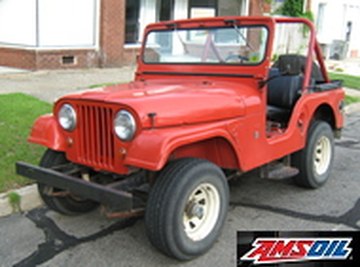
Engine Lubrication and Maintenance for the 1982 Jeep DJ-5 4.2L
Maintaining a vehicle like the 1982 Jeep DJ-5 requires a disciplined approach to routine service, particularly regarding the lubrication of the 4.2L engine. As vehicles age, the consistency of maintenance becomes the primary factor in determining how well internal components continue to operate. Proper oil management is not merely about changing fluid at set intervals; it involves monitoring the condition of various engine-related components and ensuring that the lubricant used meets the specific needs of the application.
Monitoring Fluid Integrity and Potential Leaks
One of the most effective ways to monitor the health of a 4.2L engine is through regular visual inspections for fluid integrity. Over time, various seals and gaskets may experience changes in their ability to contain fluids. When performing routine checks, it is useful to look for signs of seepage or active leakage around the engine block and associated sealing surfaces.
If you notice any wetness or residue on the underside of the engine or near connection points, this warrants closer investigation. Such observations can be associated with several different factors, ranging from a loose component to an aging seal that no longer provides a perfect barrier. Rather than attempting to diagnose a specific part immediately, focus on identifying where the fluid is originating. Additionally, checking the appearance of the oil itself can provide clues; if the lubricant appears excessively dark, gritty, or contains visible contaminants, it may indicate that the service interval has been exceeded or that there is an issue with the filtration process.
Observing Changes in Engine Operation
Beyond visual inspections, paying attention to how the vehicle behaves during operation can provide early indicators of maintenance needs. While symptoms do not always point to a single definitive cause, certain changes should be noted and investigated:
- Unusual Noises: Any new mechanical sounds that occur during startup or while the engine is running under load may indicate that lubrication levels or qualities are not optimal.
- Changes in Consumption: If you find yourself needing to add oil more frequently than in previous months, this change in consumption pattern should be investigated to determine why the fluid level is dropping.
- Exhaust Observations: Changes in exhaust characteristics can sometimes be linked to how the engine is managing its internal fluids.
- Temperature Fluctuations: While many factors influence engine temperature, any sudden or unusual changes in how the vehicle manages heat should be monitored closely.
It is important to remember that these symptoms can have multiple causes. A single observation, such as a minor leak or a change in sound, does not necessarily confirm a specific component failure, but it does serve as a signal to perform a more thorough inspection.
Prioritizing Maintenance Through Condition-Based Assessment
For an owner of a 1982 Jeep DJ-5, effective long-term maintenance often means moving away from strictly calendar-based service and toward condition-based assessment. This approach involves using the current state of the vehicle to decide which tasks require immediate attention and which can be deferred.
If you are working with a vehicle that has an incomplete service history, your first priority should be establishing a maintenance baseline. This is achieved by performing a comprehensive inspection of all fluids, filters, and accessible engine components. Once you understand the current state of the engine—noting any active leaks, the condition of hoses if present, or the state of electrical connections—you can create a more accurate service plan. Addressing active issues, such as a visible leak or an aging belt (if equipped), is more critical than following a generic schedule that may not reflect the actual wear on your specific engine.
Keeping detailed records of every oil change, filter replacement, and observed repair is also vital. These records allow you to track patterns, such as how quickly a certain component ages or how often the engine requires fluid top-offs, which helps in making informed decisions about future repairs and preventive measures.
Managing Aging Engine Components
As engines age, the materials used in their construction—such as rubber hoses, various gaskets, and drive belts—can undergo natural changes. When inspecting a 1982 model, it is practical to look for signs of material degradation. For example, if the vehicle is equipped with accessible drive belts, inspect them for evidence of cracking, glazing, or fraying. Similarly, any visible hoses should be checked for softness, brittleness, or swelling.
Electrical components also require attention. Inspecting wiring and electrical connectors for corrosion or secure fitment can prevent intermittent issues. By focusing on these age-sensitive areas during routine oil service, you can often identify potential concerns before they lead to more significant mechanical interruptions.
Selecting the Right Lubricant for Your 4.2L Engine
The choice of engine oil is a critical component of the maintenance process. While many modern lubricants are available, it is essential to select a product that aligns with the specific requirements of your 1982 Jeep DJ-5. The effectiveness of an oil depends on its ability to maintain stability under the thermal and mechanical stresses experienced by the 4.2L engine.
When considering different formulations, you may encounter conventional oils, synthetic blends, or full synthetic options. Some high-mileage oil formulations contain additives intended for use in aging engines, including seal-conditioning additives that may assist in maintaining the integrity of older gaskets. However, the most important factor is ensuring the lubricant matches the application-specific information provided for your vehicle.
Practical Advice for Buying Engine Oil for a 1982 Jeep DJ-5 4.2L
When you are ready to purchase new lubricant, do not rely on general automotive knowledge or assumptions based on the age of the vehicle to determine the correct grade. Instead, match the engine oil to the application-specific viscosity information shown above on this page. Always verify that the product labeling confirms it meets the appropriate quality standards and certifications for your needs.
Before completing your purchase, check the container to ensure the specifications align with the requirements listed in your vehicle's documentation. By strictly adhering to the viscosity and application details provided in the technical data on this page, you ensure that the 4.2L engine receives the specific lubrication it requires for reliable operation.